
Cats can be pretty picky when it comes to cleanliness, and if the litter box gets too dirty, they’ll probably let you know. They might “yell” at you or poop outside the box because it’s too full or too stinky. And to be fair, you wouldn’t want to step on your own poop, either.
But keeping the litter box clean is about more than just your cat’s comfort. It’s also important for their health. Here’s how to develop a litter box cleaning routine that works for you and keeps your cat happy.
Why Cats Need a Clean Litter Box
Cats are clean animals, even in the wild. They have a strong instinct to groom themselves from tip to tail, and they take care to bury their waste. This instinct helps keep predators away and also prevents prey from picking up their scent. To cats, a dirty litter box seems like a giant beacon that signals danger and interferes with their sense of wellbeing.
If the litter box is not clean enough, your cat might start avoiding it. And if they habitually avoid the litter box, it could start to affect their health. Holding their urine for too long increases the risk of UTIs and also exposes them to harmful ammonia fumes from concentrated urine. Distress about a poorly kept littler box may also drive anxiety-related behaviors, like over-grooming, moodiness, loss of appetite or poor sleep.
Cleaning the litter box every day also gives you a glimpse into your cat’s current state of health. Changes in the frequency or appearance of your cat’s waste are some of the first red flags of a medical problem. When you think of cleaning the litter box as preventive care for your pet, it makes it easier to stay on top of scooping.
How Often Do You Need to Clean Your Cat’s Litter Box?
As veterinarians, we recommend scooping at least once a day, no matter what type of litter you use. The easiest way to make scooping part of your daily routine is to pair it with another pet care task. For instance: after you feed your cat and fill their water dish, you also clean the litter box. You’ll also need to empty, clean, and refill the litter box with fresh litter every one or two weeks.
If you have more than one cat, remember that you need one litter box for each cat, plus one. (And you will probably have to scoop, clean, and refill their litter boxes more often to keep your house smelling fresh.) Multiple litter boxes are also a good idea for elderly cats who have mobility issues and need extra litter boxes to avoid accidents.
Litter Box Care Tips
- Try to avoid scented products. Scented litter and fragranced soaps can affect cat’s sense of smell and even irritate their respiratory system.
- Litter boxes made of non-porous materials are more sanitary and won’t harbor harmful bacteria the way plastic boxes do.
- Always examine the waste you’re scooping out of the litter box. If you notice runny stool, discolored urine or the presence of blood, make a call to your vet.
Keeping the Litter Box Clean Protects Your Cat’s Health
While dealing with pet waste is never an enjoyable experience, it is a key part of providing your cat with good care. Small habits like daily scooping and frequent cleaning go a long way toward keeping your cats happy and content.
And as we mentioned before, daily scooping is a good way to keep an eye on your cat’s health. If you see any noticeable changes or your cat is suddenly having accidents, it’s time to contact a vet for assistance. Schedule a visit with East Valley Animal Hospital in Gilbert, and we’ll give your cat a full examination.
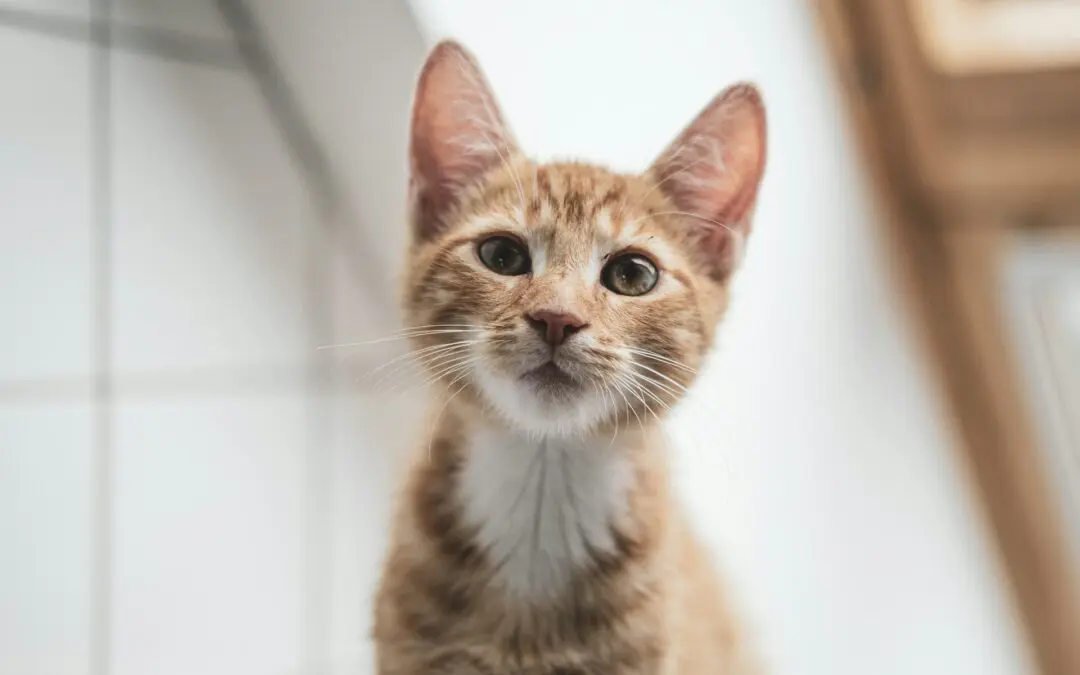
Photo by Sebastian Müller on Unsplash used with permission under the Creative Commons license for commercial use 04/17/2026.