
We don’t like to think about our pets getting lost, but it is a very real possibility. Millions of pets go missing every year. Dogs may hop fences, cats might slip out a door, but how it happens doesn’t matter. All that matters is finding them again.
Pet identification can help you do that. Collar tags, microchip IDs, and registering your pet with your county can help. If your pet doesn’t have any identification, then you need to remedy that situation quickly!
Three Different Types of Pet IDs
There are three types of pet identification: collar tags, microchips, and county registration. We recommend using all three. That way, if your pet ever gets lost, it will be easier for the person who finds them to help them get back home.
1: Collar Tags
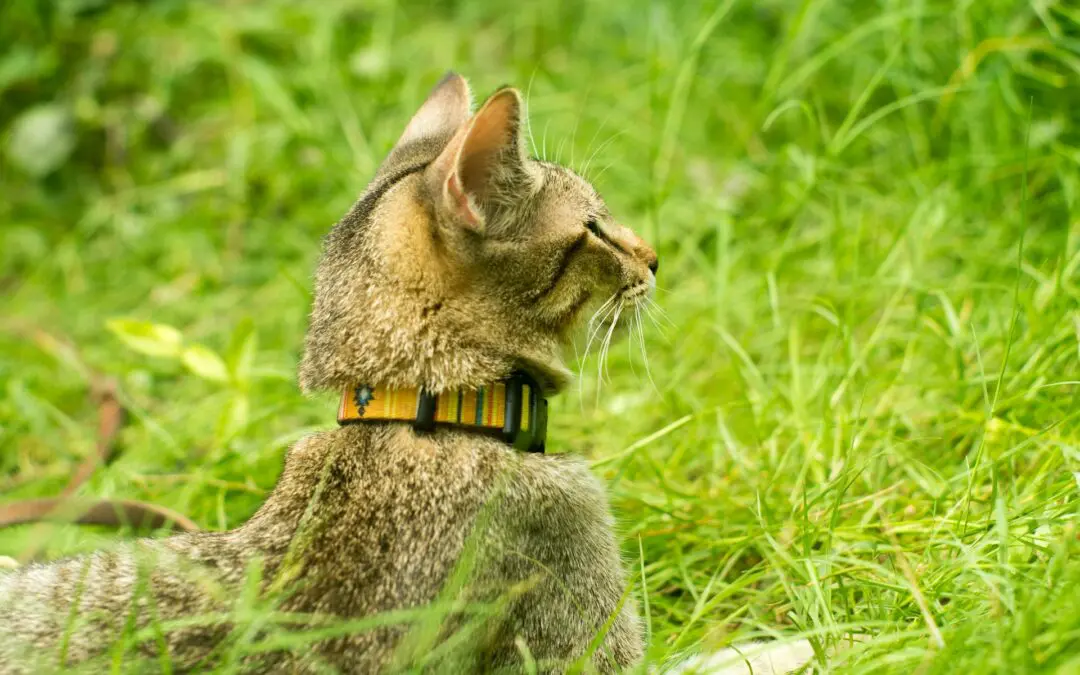
A personal ID tag that hangs on your pet’s collar can make it easy for your neighbor to contact you if they happen upon your pet. Rather than bringing your pet to a local shelter or veterinarian’s office to check the microchip, they can call you directly.
A personalized tag can be engraved with the information directly or even with a QR code. Be sure to pick a tag that is the right size for your pet and isn’t too busy with intricate designs. This keeps the information easily accessible, which is important if your pet likes to wiggle.
Information the tag should have:
- Your pet’s name
- A phone number
- Medical information, if needed
We do not recommend using your home address, as this can have security and privacy risks. If you get a call about your missing pet, we recommend meeting up in a public place (like a park) and not at your home.
2: Microchip ID
While we hope that collar tags will do their job and you get a call about your missing pet right away, collars can get lost, too. It’s all too easy for a pet to slip their collar, especially when it gets caught on something like a fence or a branch.
A microchip ID means there’s another way to identify your pet, even without their tags. All that a vet or shelter needs to do is scan the back of your pet’s neck; the scan brings up a code that is linked to your contact information.
Microchipping is a safe way to ensure that your pet always has an ID. These small microchips are encased in strong glass, and are no larger than a grain of rice. They are placed under the skin (typically on their back haunch). It is no more painful than a vaccination, and it can be injected just as quickly. Trust us, your pet will never know it’s there.
Once the microchip is placed, you can enter your information on the manufacturer’s website. That way, you can be contacted if your pet goes missing. Be sure to update your address and phone number if anything ever changes!
3: County Registration (dogs only)
Depending on where you live in Arizona, you may need to register your pet. In Maricopa county, all dogs over the age of 4 months must be registered. This is mainly because rabies vaccines for dogs are mandatory, but it can also help lost dogs get back home.
When you register your dog, the county retains a record with your name and contact info, a description of your pet, their name and/or their microchip number. If a registered dog is picked up by animal control, they are more likely to be identified.
Unfortunately, you cannot register pet cats in Maricopa County. However, if your cat is missing, the county can assist you in finding them through lost pet reports and several other online resources.
Microchip IDs for Pets in Gilbert, Arizona
Here at East Valley Animal Hospital, we understand the importance of pet identification. When a pet gets lost, it can be devastating. That’s why we always recommend microchipping when you get a new pet.
Microchip IDs are proven to reunite more pets with their owners than collar tags or local registries, and the Homeagain chips we use are the best on the market. If you are looking to get your pet microchipped (or wish to check your pet’s microchip), we can help.
Contact us today to make an appointment.
Images used under creative commons license – commercial use (2/3/2026). Photo by Bella on Unsplash.