
Whether you’re wondering exactly how much to feed a growing puppy or trying to choose the best diet for your cat, there are endless options when it comes to pet food. The two most reliable types are kibble and wet food, so let’s take a look at how they compare, and whether or not your pet needs both.
Choosing the Right Food for Your Pet
Kibble and wet food both have added vitamins and minerals that help pets get all the essential nutrients they need. Packaging that displays the AAFCO seal assures you that the ingredients meet their standards for quality.
Most pet foods are geared toward adult cats and dogs, while others are age-specific. Puppies and kittens have different nutritional needs than adult or senior pets, so they need a slightly different diet. Other formulas are adapted to help treat common problems like tartar buildup or weight gain. And pets who are living with kidney disease or heart disease may need a specialty diet, too.
But mostly it depends on what your pet prefers!
Kibble vs. Wet Food
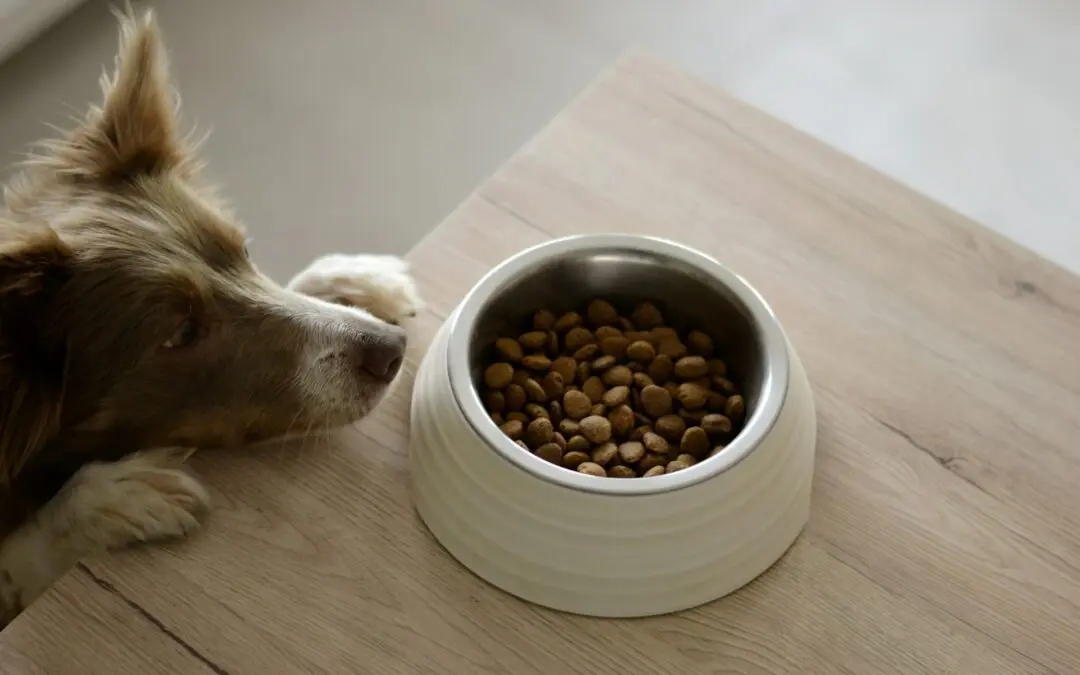
Kibble is also known as dry food and typically sold in bags ranging from 2 lbs to 40 lbs or more. Its ground, tightly pressed ingredients are molded to small shapes that loosely resemble beans and slightly dehydrated. Wet food comes in cans, sealed plastic cups or pouches. Ingredients are also ground and formed into pate textures or small chunks in gravy.
Don’t overlook the importance of providing enough water to your pets while you’re considering changes to their diet. Even diets heavy in wet food need plenty of water. Arid climates and high temperatures can drive thirst, and cats, in particular, are often chronically dehydrated and at risk of kidney and urinary system problems.
Pros & Cons of Kibble:
- Relatively low cost
- Exact portions are easy to serve
- Because it’s dry food, it’s low-mess
- No refrigeration required
- The low-moisture food doesn’t help keep pets well-hydrated in hot weather
- There aren’t as many flavor profiles available for picky eaters
Pros & Cons of Wet Food:
- High moisture content supports better hydration
- Easier to store, especially in places like Arizona where the weather gets exceptionally hot
- Fussy eaters often prefer the stronger flavors of wet food
- The stronger aroma can tempt pets with low appetites
- The soft texture is easy for sick and senior pets, and those with dental problems or even missing teeth
- Costs more than dry food
- Sloppy eaters can easily make a mess of themselves and the area around them
- Has to be refrigerated after opening
Should You Feed Your Pet Wet Food or Kibble, or Both?
A combination of wet food and kibble gives pets a bit more variety in their diets. Some cats and dogs will get bored with the same meals on repeat, while others actually prefer consistency. For pets with low appetite, mixing things up at mealtime may help tempt them to eat a little more.
Just be careful to follow the portion recommendations for your pet’s size. Offering wet and dry food together increases the risk of over-feeding, so you have to figure out the right serving sizes to keep their weight in check. Read the packaging for suggested portions based on weight, and factor both dry food and wet food in together.
Calculating serving sizes can get complicated, so don’t hesitate to ask your vet for guidance on serving sizes and meal frequency. They can give you specific advice based on your pet’s age, size, and energy levels. Health conditions like excess weight may override other considerations, and your vet is a wonderful resource for customized feeding guidance.
Get Personalized Recommendations for Feeding Your Pet
You should always consult a veterinarian before you make any significant changes to your pet’s diet. Underfeeding and overfeeding can both cause serious harm. And sudden changes in diet can cause problems like stomach upset, loss of appetite, and diarrhea.
We’re here to help you find the best diet for your pet, and to make adjustments as they age or their health changes. For comprehensive veterinary care in Gilbert, make an appointment at East Valley Animal Hospital today.
Photo by Ayla Verschueren on Unsplash used with permission under the Creative Commons license for commercial use 8/11/26.