
You’re not the only one who feels uncomfortable when summer temps rise, and your pets feel it more than you do. Because pets can’t regulate their body temperatures by sweating the way people do, hot summer days can be life-threatening for cats and dogs. But as long as you know how to keep your pets cool and how to recognize the signs of heat stroke, you can avoid this summertime hazard.
Why Hot Weather Affects Pets Even More Than People
As you can imagine, wearing a fur coat in the summer would feel unbearable. It’s one of the reasons that pets shed so much when the seasons turn. But even a light summer coat is too much when temperatures climb into the triple digits.
Dogs and cats each have their own ways of keeping cool. Dogs pant to bring cooler air into their bodies, and cats groom themselves to take advantage of evaporating saliva to stay cool. But when evaporation can’t happen quickly enough, pets can get dehydrated and overheated.
Besides the heat, Arizona’s arid climate also makes dehydration more likely. When a pet gets dehydrated, it’s much harder for them to regulate their body temperatures with panting or grooming. And if their internal temperature gets too high, heat stroke can occur.
How to Recognize the Signs of Heat Stroke in Pets
If your pet seems overheated, call a vet right away. Symptoms can come on suddenly and escalate to a medical emergency very quickly.
Symptoms of heat stroke include:
- Labored panting
- Drooling
- Lethargy
- Vomiting
- Poor balance
- Seizures
- Gums that look bright red or unusually pale
Which Pets Are Most Likely to Suffer from the Heat?
Puppies, kittens, and elderly pets are more vulnerable during the summer months. And summers can be hard on pets with chronic health conditions like obesity, hypertension, or diabetes. Long-haired cats and dogs with thick coats will also struggle to stay cool during hot weather. And flat-faced breeds like bulldogs and Persian cats have trouble breathing when they get too hot.
How to Keep Pets Cool in Arizona
- Keeping fresh water bowls available 24/7 will help prevent dehydration.
- Keeping pets indoors with the A/C running also goes a long way in preventing heat-related illness in pets.
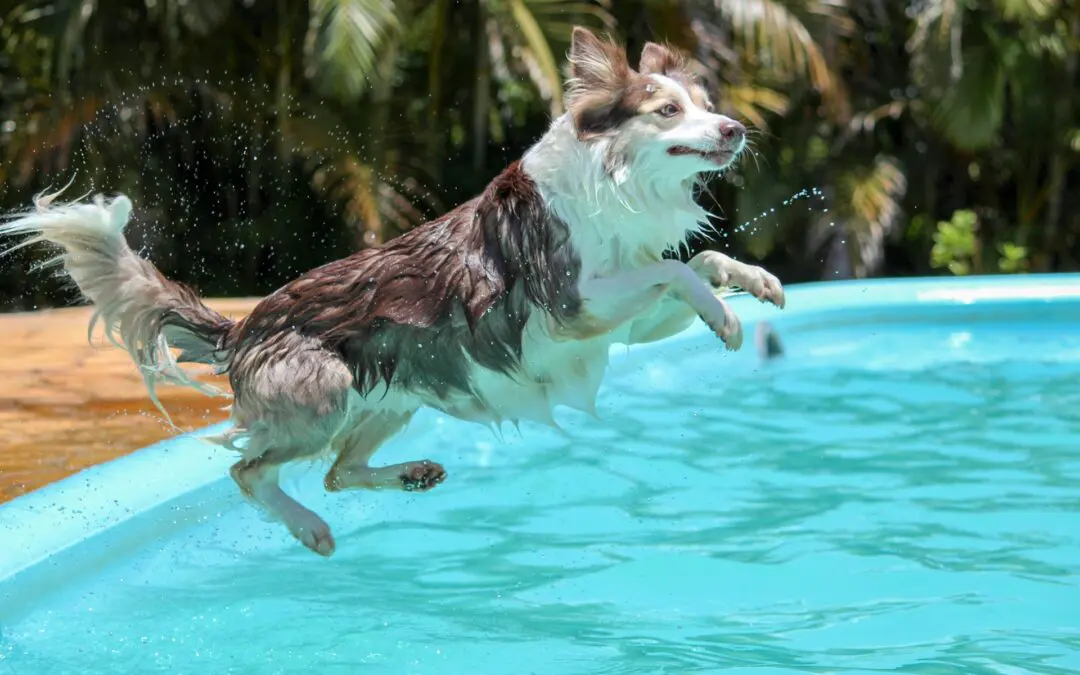
- Make cooling mats available to indoor cats and use kiddie pools outside to help dogs stay cool.
- Arrange for plenty of shady spots throughout your house, even if you already have A/C going, to give pets additional refuge from the heat; they often like to lay on the floor to help cool their bodies.
- Stick to walking your dogs early in the morning or late at night. Avoid taking them out during the daytime, when temperatures peak.
- Use the back-of-the-hand test on pavement before heading out; if the surface of the sidewalk or road is too hot for you, it’s too hot for your dog’s paws. Dogs release heat through their paw pads, and when the skin is injured or burned, it makes it even harder for them to cool down.
- Never leave your pet in a parked car, even for a few moments. Temperatures inside a vehicle can turn deadly in as little as ten minutes, so no matter how lonely your pet might get at home, it’s simply not worth the risk.
Veterinary Care for Pets in Gilbert
Heat-related illness is a risk to nearly every pet in summer, when daily temps in Arizona regularly approach triple digits. It’s up to you to keep your pets cool and safe from the summer heat, and we’re here to help. Schedule an appointment at East Valley Animal Hospital today.
Photo by Murilo Viviani on Unsplash used with permission under the Creative Commons license for commercial use 08/21/2026.