
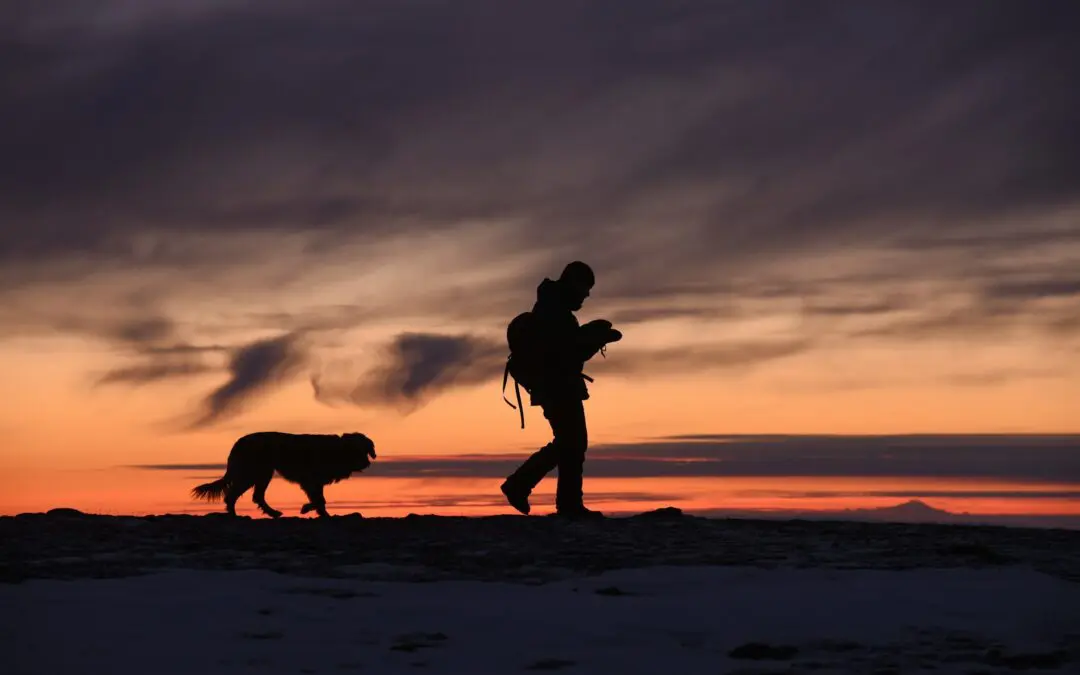
Arizona is well known for its majestic landscapes, and our state is rated among the top 10 for hiking in the nation. But if you want to bring your dog along on the trails, there are a few things you need to know.
Hiking with your dog offers you a chance to bond like no other. But there are also serious risks involved. The landscape can be taxing for your pet, and so can the heat. Plus, you’ll need to watch out for dangerous wildlife like scorpions, snakes, and coyotes.
Here’s how to keep your dog safe when you go hiking in Arizona.
Heatstroke, Dehydration, and Other Hazards: Tips for Hiking with Dogs in Arizona
- The strongest sun exposure happens between 10am and 4pm. Stick to early morning or late evening excursions, and avoid the midday sun, especially during the summer. Prioritize trails with tree-covered areas so you both get a break from the heat.
- Check the ground surface temperature before you head out. Use the back-of-the-hand method: if you place the back of your hand on the ground and it’s too hot for you to hold it there for ten seconds, it’s too hot for your dog’s paws.
- Bring enough water for you and your dog and then pack a little more just to be safe. A collapsible bowl makes it easier for your dog to drink and rehydrate anywhere you stop on the trail.
- It’s always wise to keep your dog on-leash when you’re hiking. If your dog gets startled or distracted and runs off trail they can easily get lost. It’s also good trail etiquette to keep your dog under your control at all times, even on dog-friendly trails. And always bag any poops and carry the bag out with you—don’t leave it on the trail, because it won’t decompose!
- Watch for wild plants and animals that could injure your dog. Common hazards include foxtail grass, cacti, rattlesnakes, scorpions, and sharp rocks in rough terrain. If your dog will tolerate wearing boots, they will help protect your dog’s sensitive paws from thorns and stings.
- Keep your dog’s fitness level in mind, and be aware of limits to the breed–like being short-nosed, for example–and medical conditions like hypertension that could cause quicker discomfort under physical exercise.
How to Prevent Heatstroke in Dogs
When your dog’s body temperature gets too high, their normal methods for self-cooling (like panting or dilated blood vessels) can’t keep up. Key signs of heatstroke in dogs are skin that feels super hot, heavy panting, glassy eyes, drooling, vomiting, weakness, confusion, and collapsing.
- Hike outside of peak daylight hours (try to go before 9am or after 6pm).
- Give your dog frequent water breaks and rest breaks in the shade.
- Heatstroke can come on quickly, as dogs have a limited ability to cool themselves and don’t sweat like people do.
- Preparation is key. Before hitting the trail, come up with an emergency plan to exit your hike or identify a turn-around point should your dog develop symptoms of heatstroke.
- Know what to do if you suspect your pet has heatstroke. Move them into the shade, apply cool water to their paws and belly, and contact your vet as soon as possible. If you have phone service where you’re hiking and you’re worried about your pet, don’t hesitate to give us a call.
Vet in Gilbert
Preventing heatstroke is always easier than treating it, especially if it strikes when you and your dog are far from the trailhead. Schedule a checkup for your dog with East Valley Animal Hospital to make sure they’re healthy enough for summer hikes, and get personalized advice that keeps you enjoying the outdoors all season long.
Photo by Pax Woelber on Unsplash used with permission under license for commercial use 07/17/2026.